
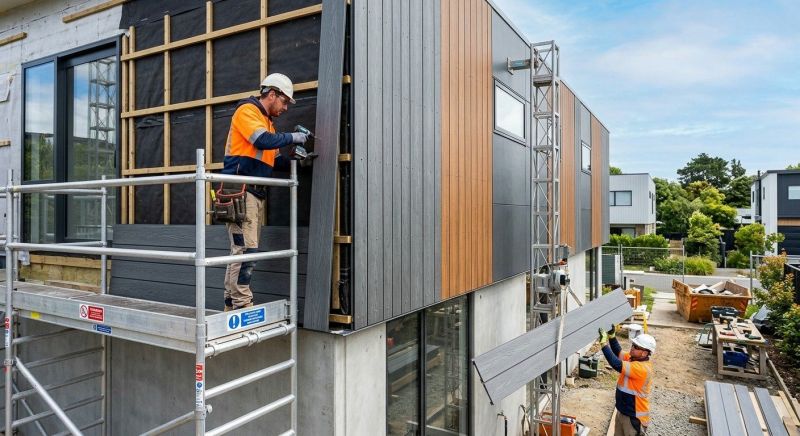
Cladding Replacement in Boston, MA
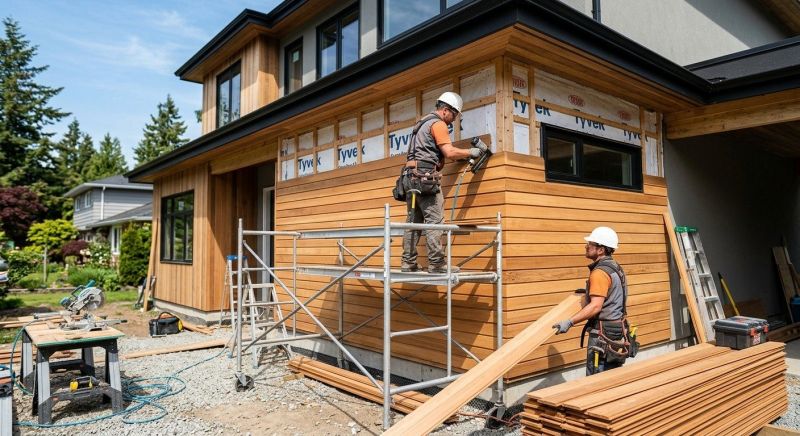
Cladding replacement services involve removing and updating the exterior covering of a building to improve its appearance, functionality, and protection against weather elements. This process is commonly requested for projects such as updating worn or damaged siding, enhancing energy efficiency, or modernizing the look of residential properties like homes, townhouses, or multi-family buildings. Property owners typically want to understand the types of cladding materials available, such as vinyl, fiber cement, or wood, and how the replacement can impact the building’s insulation, durability, and curb appeal.
Before requesting cladding replacement, homeowners should consider the condition of their current exterior, the compatibility of new materials with existing structures, and any local building codes or regulations that may apply. It’s also helpful to clarify the scope of work, including whether the project involves partial or full replacement, and to inquire about the potential need for additional repairs or upgrades during the process. Having a clear understanding of these aspects can ensure the project aligns with the property’s needs and long-term maintenance goals.
Many property owners in Boston, MA look into Cladding Replacement for repairs, replacements, upgrades, and appearance-related improvements.
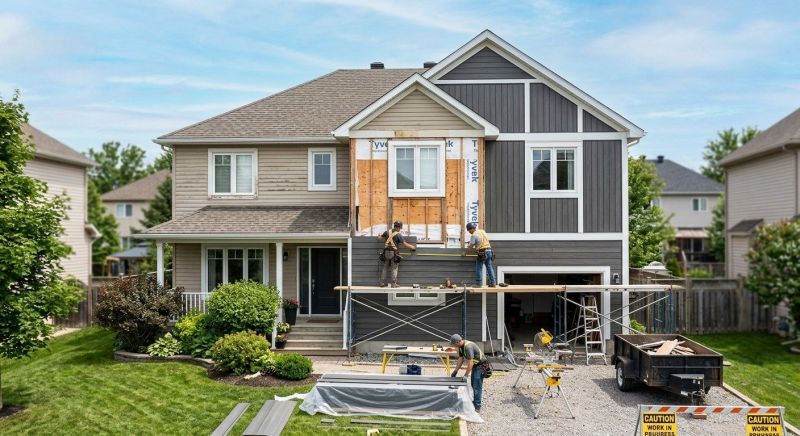
Benefits Of Cladding Replacement
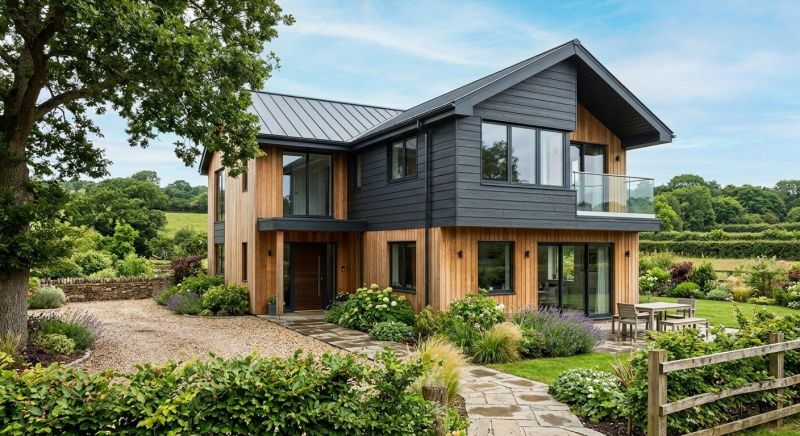
Updating your building's exterior can enhance durability and curb appeal.
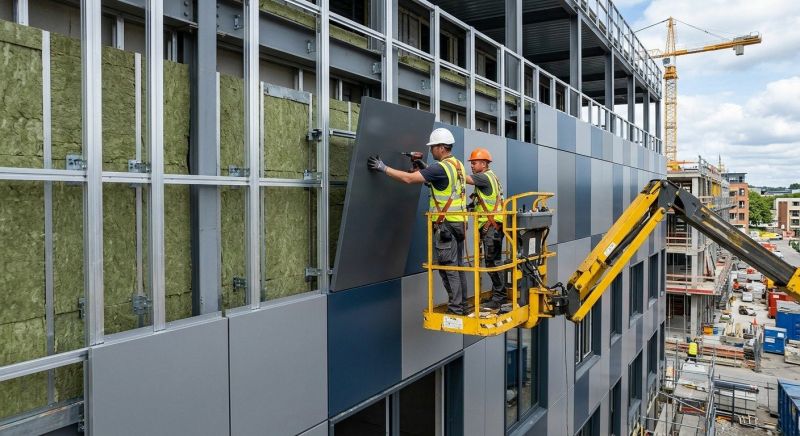
Common Cladding Materials
Residents in boston often choose materials like vinyl, wood, or fiber cement for their replacements.
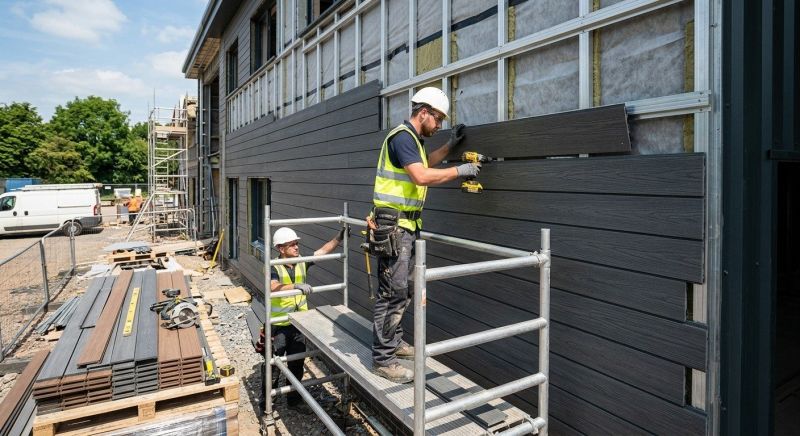
Signs You Need Replacement
Visible damage, warping, or frequent maintenance issues may indicate it's time for new cladding.
Cladding Replacement in Boston, MA

Cladding replacement services involve removing and updating the exterior covering of a building to improve its appearance, functionality, and protection against weather elements. This process is commonly requested for projects such as updating worn or damaged siding, enhancing energy efficiency, or modernizing the look of residential properties like homes, townhouses, or multi-family buildings. Property owners typically want to understand the types of cladding materials available, such as vinyl, fiber cement, or wood, and how the replacement can impact the building’s insulation, durability, and curb appeal.
Before requesting cladding replacement, homeowners should consider the condition of their current exterior, the compatibility of new materials with existing structures, and any local building codes or regulations that may apply. It’s also helpful to clarify the scope of work, including whether the project involves partial or full replacement, and to inquire about the potential need for additional repairs or upgrades during the process. Having a clear understanding of these aspects can ensure the project aligns with the property’s needs and long-term maintenance goals.
Many property owners in Boston, MA look into Cladding Replacement for repairs, replacements, upgrades, and appearance-related improvements.
Common Cladding Replacement Jobs
Cladding Replacement Services - replacing worn or damaged exterior cladding to improve property appearance.
Vinyl Cladding Replacement - upgrading old vinyl siding for a fresh, modern look and better durability.
Fiber Cement Cladding Replacement - installing fiber cement panels for enhanced weather resistance and low maintenance.
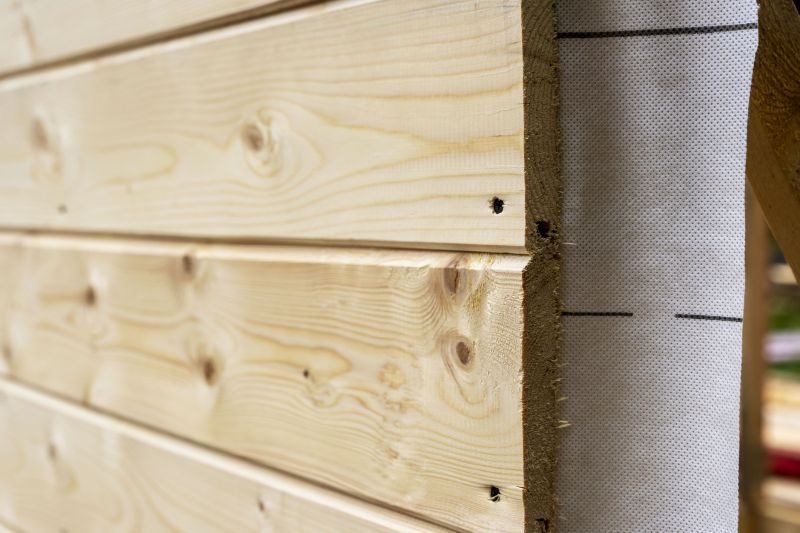
Wood Cladding Replacement - restoring or updating wood siding to enhance curb appeal and structural integrity.
Brick and Masonry Cladding - replacing or repairing brick veneer for improved insulation and aesthetic appeal.
Insulation and Weatherproofing - upgrading cladding to improve energy efficiency and protect against the elements.
Cladding Replacement Questions
What is cladding replacement? Cladding replacement involves removing existing exterior siding and installing new material to improve appearance and durability of a property.
When should property owners consider cladding replacement? Replacement is recommended when existing cladding is damaged, deteriorating, or no longer provides adequate protection against weather.
What types of cladding materials are commonly used? Common options include vinyl, fiber cement, wood, and metal siding, each offering different aesthetic and performance qualities.
How does cladding replacement affect home insulation? Replacing cladding can enhance insulation by upgrading to more energy-efficient materials, helping to regulate indoor temperatures.
Request Cladding Replacement in Boston, MA
Use the quote form on this page to share the basics of your project and request more information for the type of work you need.